
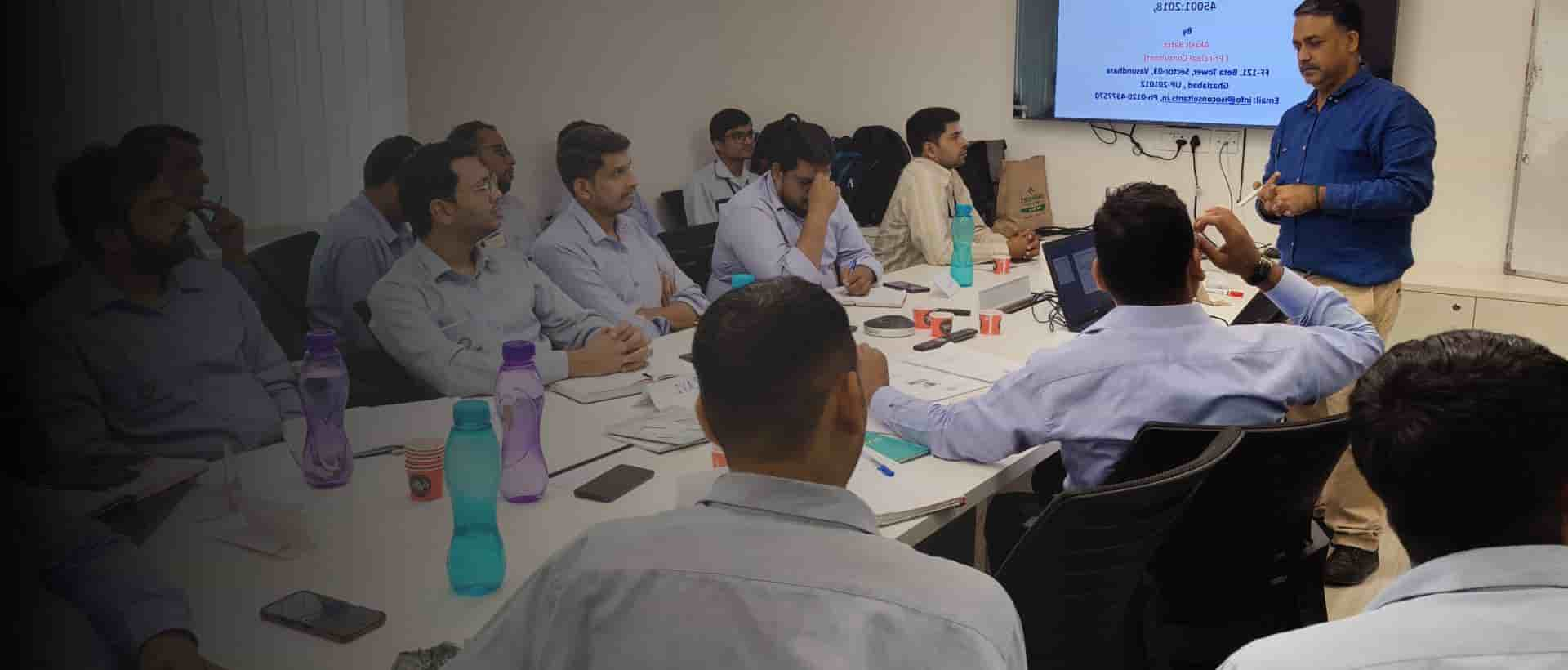
Consulting
Design management systems and improve the processes your teams use every day.
Explore consultingDesign management systems and improve the processes your teams use every day.
Explore consulting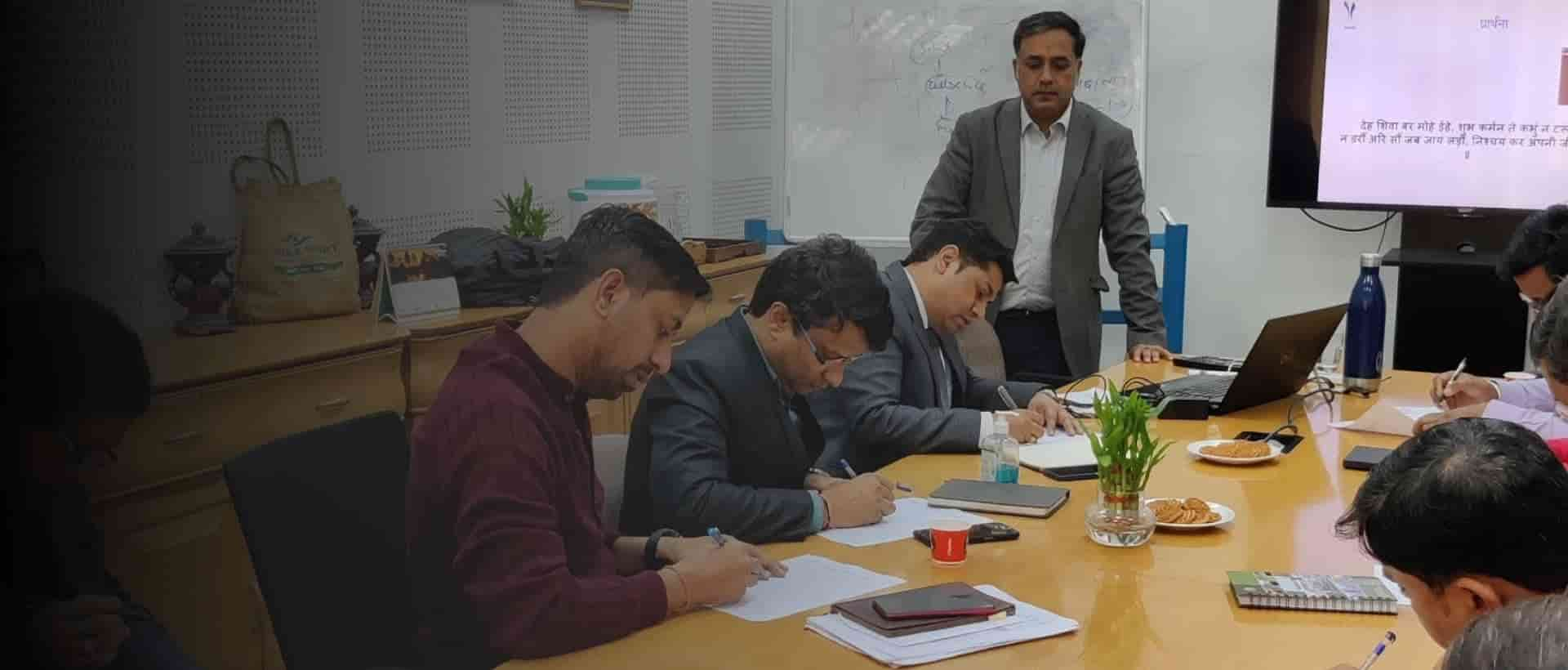
Assess supplier, production and management system controls using evidence from actual work.
Explore auditing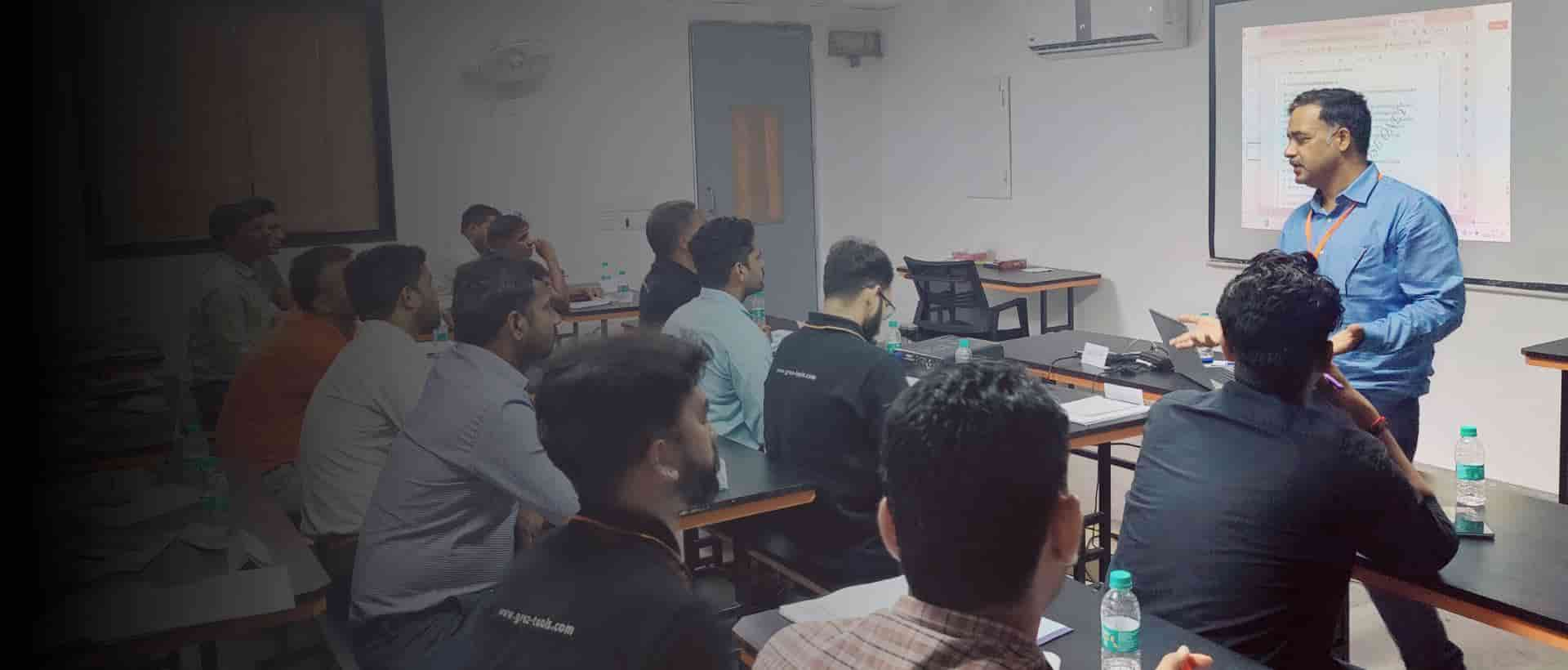
Build practical skills in management systems, internal auditing and team development.
Explore trainingUse the Sakhi Knowledge Centre to plan an audit, compare management systems or build an evidence checklist.
Explore the Knowledge CentreSee Sakhi training and workshops on management systems, supplier quality, sustainability and team development.
Explore Sakhi’s articles on consulting, auditing and training. For step-by-step guides and worked examples, visit the Knowledge Centre.


An integrated EHS and energy programme can use one site walk to collect observations. Give environmental aspects, occupational hazards and significant energy uses their own evaluation criteria, owners and measures so each decision can be explained.

Use one operating calendar and one action tracker for common work such as competence, internal audits and management review. Map the environmental aspect and its impact for each operation. Record the workplace hazard and consultation with affected workers. Determine energy performance indicators and significant energy uses using an energy review. Link those records through the equipment or process ID, so the common system has clear owners without forcing three distinct decisions into one score.
Choose a representative period, an energy boundary, reliable meters and relevant variables such as production volume, operating hours or ambient conditions. Record static factors such as equipment configuration. Compare actual energy performance with an appropriate baseline and account for relevant variable changes. Keep a meter or invoice reconciliation and mark missing readings. A simple ratio can be a useful starting point when conditions are comparable. A validated model may be more informative when the relationship varies.
Choose a process and inspect the control under the conditions in which people use it. Review maintenance history and ask operators or contractors to describe what happens when an abnormal condition occurs. For safety, consider the hierarchy of controls and use worker feedback to check whether the selected control is practical. For environmental obligations, attach the applicable permit or rule and the evidence the site uses to evaluate compliance.
A plant investigates repeated compressor alarms. Its energy team checks readings, duty cycles and demand before and after finding leaks. The environmental team reviews condensate handling and associated disposal records. The safety team checks which tasks need isolation by authorised personnel under the site procedure. Management uses a common equipment ID so follow-up records can be reconciled across teams.
An energy performance review compares the measurement boundary and baseline conditions with the period after the change. Record relevant variables such as throughput, shifts and operating hours before attributing a change in consumption to a project.
For a packaging line, identify the meter and sub-systems included. Record kWh, accepted output and shift hours on the same dates. Confirm whether the measure captures start-up and idle consumption.
In a worked calculation, 12,000 kWh for 6,000 units equals 2.0 kWh per unit. At 10,800 kWh for 5,000 units it is 2.16 kWh per unit. Investigate utilisation and product mix before making a savings claim.
Agree who checks the readings and which variation triggers review. Record changes to equipment, metering or schedules, and route any planned change through the site's environmental and safety review.
| Focus | What to check | Evidence or decision |
|---|---|---|
| Environment | Aspect, operating condition and applicable obligation | Inspection or monitoring record and exception response |
| Energy | Significant use, baseline and relevant variables | Comparable meter and activity data |
| Workplace safety | Hazard, exposure, affected workers and controls | Worker feedback and observed control verification |
Only when its limitations and comparison conditions are understood. Investigate changes in production mix, hours, weather, fixed load and meter boundaries before claiming performance improvement.
Confirm the scope of each management system. The teams may share records or audit visits while applying distinct criteria and boundaries.
Startup, idle and shared loads can account for a larger share of energy when the line makes fewer units. Compare like-for-like conditions and review production mix before interpreting the increase.
Tell us which site, operating control or energy measure you need to improve. We can help scope the management-system work and identify evidence to sample.

 Guru Maa Ji


