Consulting
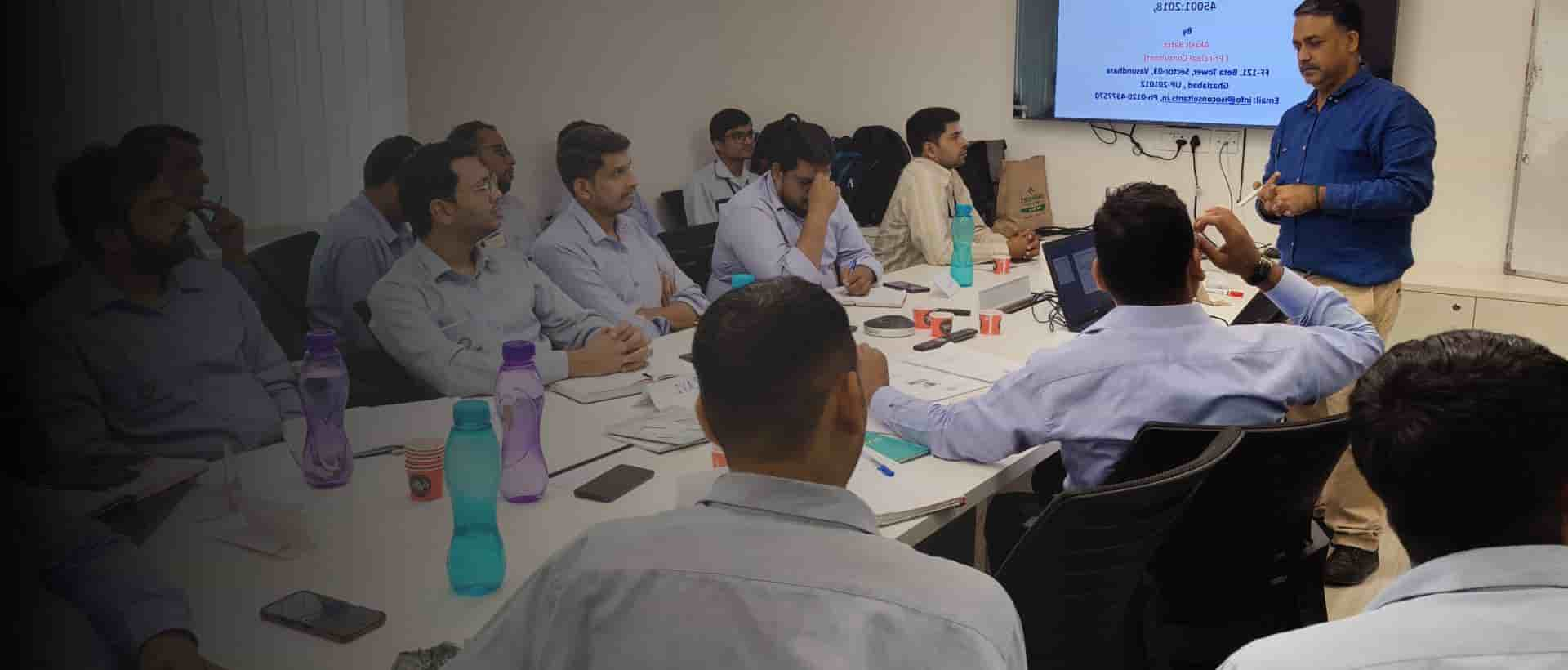
Design management systems and improve the processes your teams use every day.
Explore consultingDesign management systems and improve the processes your teams use every day.
Explore consulting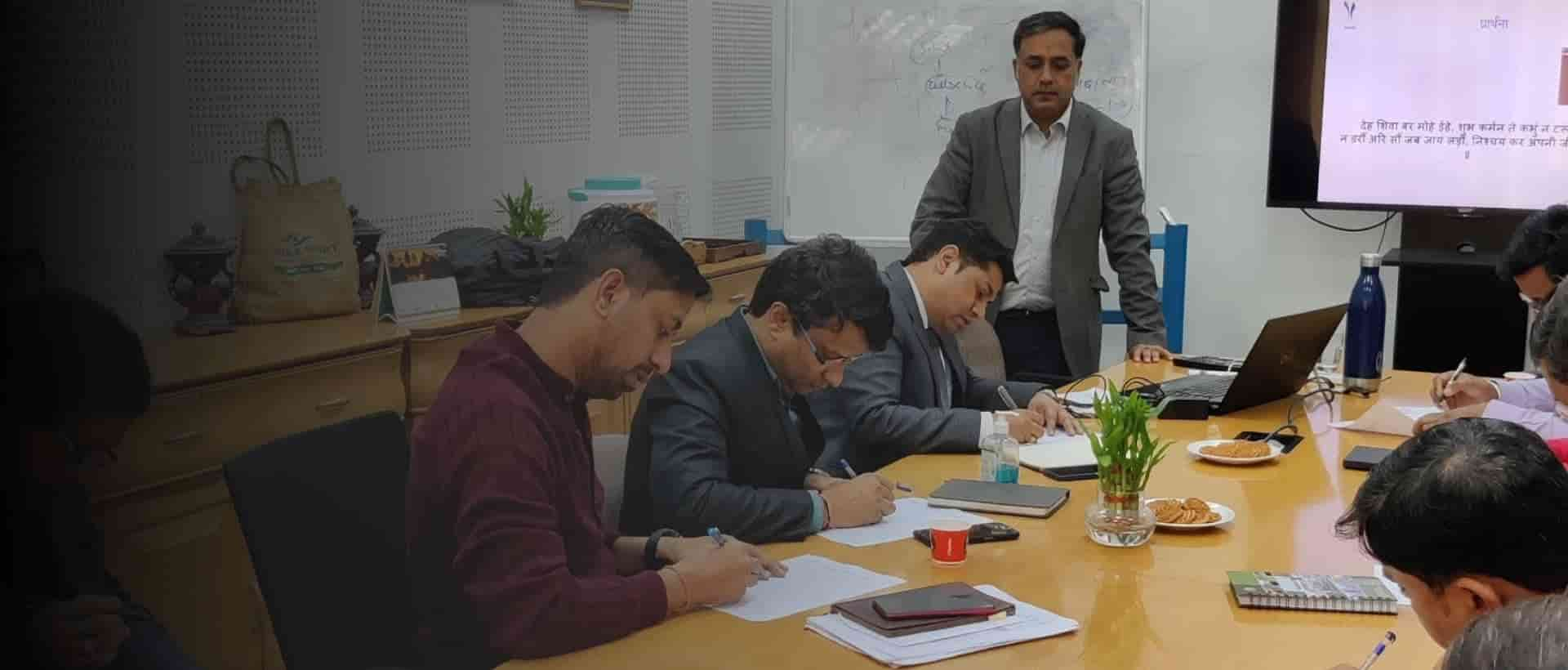
Assess supplier, production and management system controls using evidence from actual work.
Explore auditing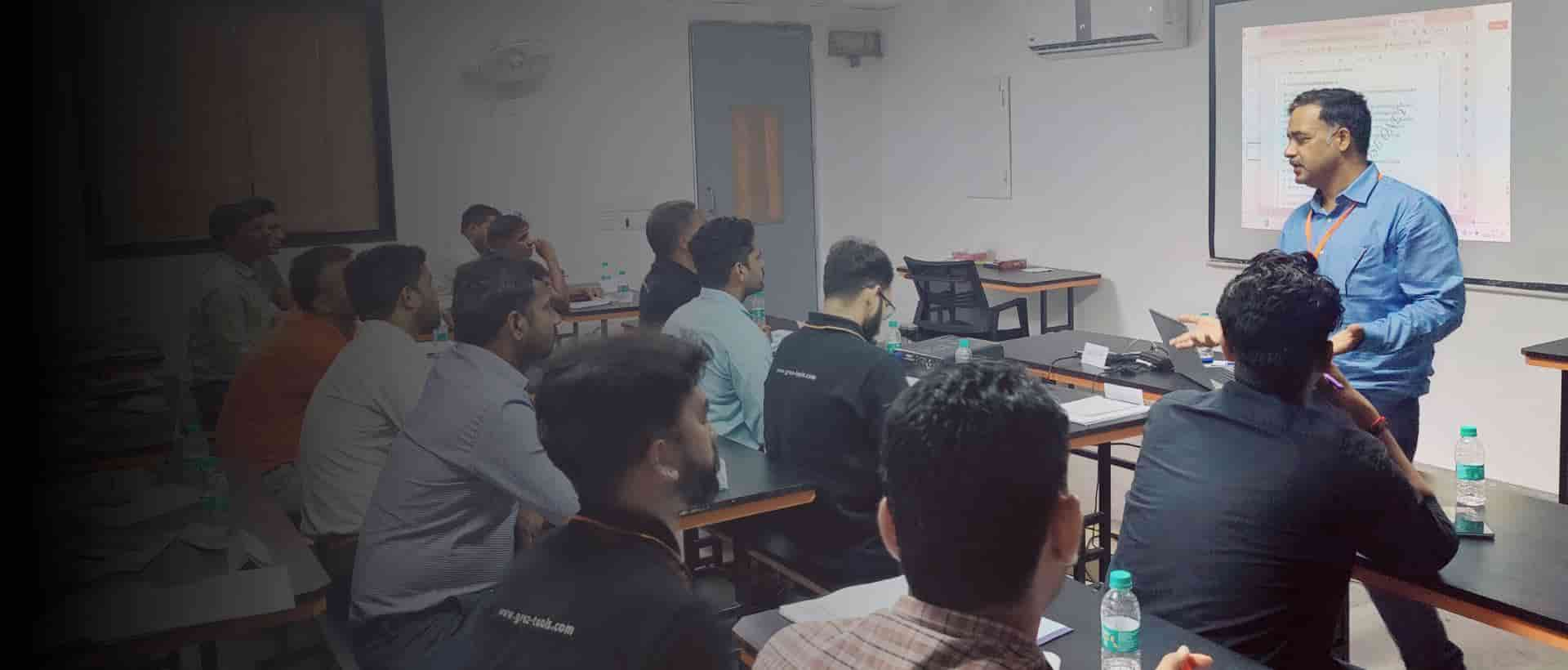
Build practical skills in management systems, internal auditing and team development.
Explore trainingUse the Sakhi Knowledge Centre to plan an audit, compare management systems or build an evidence checklist.
Explore the Knowledge CentreSee Sakhi training and workshops on management systems, supplier quality, sustainability and team development.
Explore Sakhi’s articles on consulting, auditing and training. For step-by-step guides and worked examples, visit the Knowledge Centre.


Begin an ISO 9001:2026 transition by checking how your current processes meet the new edition. Retain effective controls, identify evidence gaps for each owner, and check the applicable sector scheme and certification transition instructions separately.

ISO published the 2026 edition in September 2026. Start by mapping the current scope, sites, processes and existing certification arrangements. Compare the licensed text with the requirements used for the current system. Turn each gap into an owner action with a due date and specific evidence. For leadership and quality culture, observe what supervisors do when delivery pressure conflicts with a quality hold. For risks and opportunities, inspect whether assumptions shaped actual decisions and outcomes. Confirm the transition schedule with your certification body.
The IAQG 9100 series is used in aviation, space and defence. Rail organisations may encounter ISO 22163 and the separate IRIS Certification performance assessment and scheme rules. Use the customer’s purchase order or approved supplier conditions to determine what applies to the specific site, product and activity. Track the scheme’s own transition rules. Publication of a new general ISO 9001 edition alone does not establish a sector scheme migration date.
Sample one order from inquiry to release. Match the customer’s stated requirement against the traveller, job setup, test record and release. Then follow one complaint through containment, cause validation, corrective action and recurrence review. At management review, record the decision taken, owner, resources and evidence of follow-up. A dated meeting pack can show a review happened, while decisions and their follow-up show how the system is run.
One site authorises design changes and the second runs machining. The register connects the design-change risk to a signed release record from site one, a revision check at site two, and a sample of work orders across two shifts. The next audit checks the handover under a live change and assigns an action if the latest drawing was missing.
A quality management system can test a corrective action by stating what recurrence would look like, choosing a comparable post-change sample and recording an effectiveness decision. Use a process-risk-based sample and agree who can reopen the action.
For an outdated drawing used in production, note the revision, job and affected document point. Check how the superseded drawing was available at the workstation.
Sample jobs released after several drawing changes, including a different shift or site if the same issue could occur there. Verify the revision where the work was performed and record each job ID.
If any job still uses an obsolete revision, protect affected output as appropriate and return the action to its owner. Record which control failed and plan the next effectiveness review.
| Focus | What to check | Evidence or decision |
|---|---|---|
| ISO 9001:2026 | General quality management system | Scope, process outcomes, management decisions |
| IAQG 9100 series | Aviation, space and defence where applicable | Configuration, traceability and applicable customer flow-down |
| ISO 22163 and IRIS | Rail quality management and the relevant scheme | Contract changes, project controls and scheme-specific measures |
ISO advises organisations to build on working systems. Compare the new edition with your current practices and revise controls where the difference affects risk, accountability or evidence.
Yes, when the programme identifies each applicable criterion and samples its specific risks. A shared audit must still collect evidence for each in-scope requirement.
Trace a real revision from approval to the workstation, then compare it with the revision actually used on a subsequent job. The result should be retrievable by job number and date.

 Guru Maa Ji


