
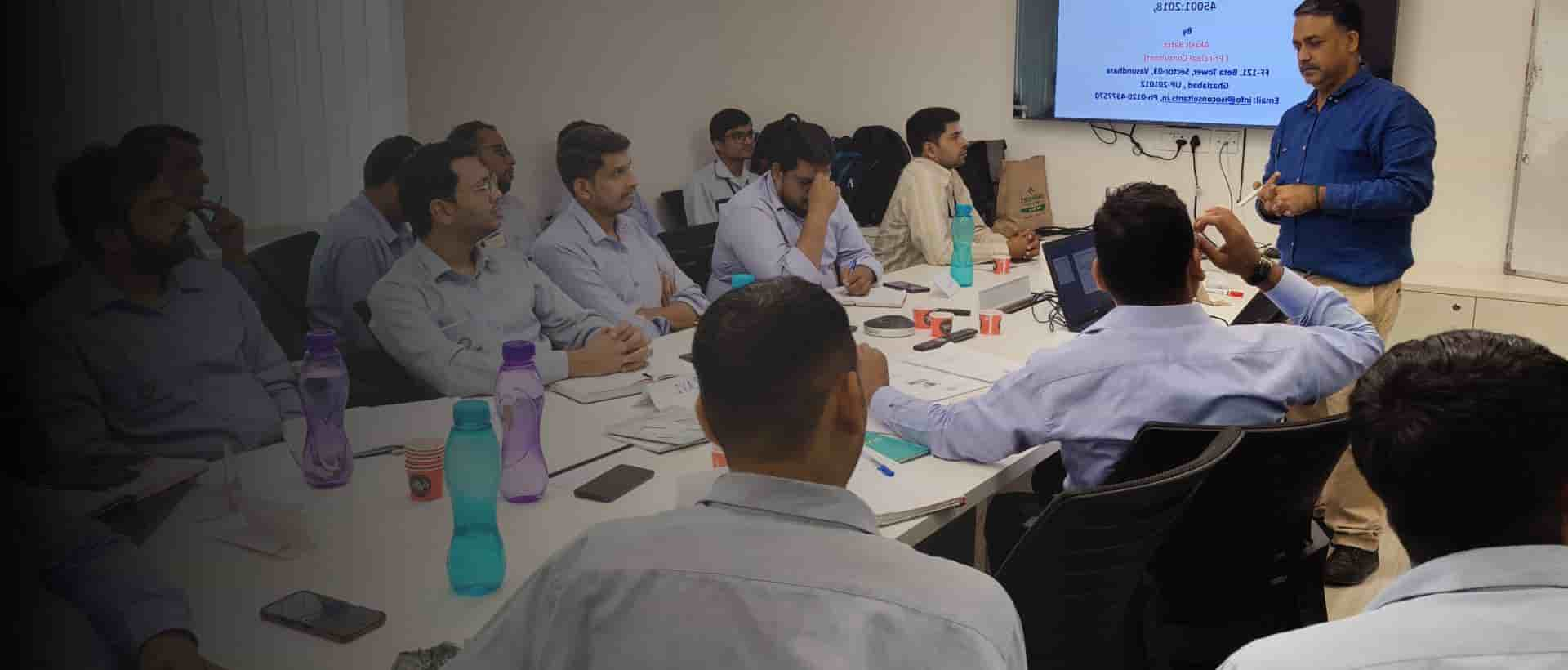
Consulting
Design management systems and improve the processes your teams use every day.
Explore consultingDesign management systems and improve the processes your teams use every day.
Explore consulting
Assess supplier, production and management system controls using evidence from actual work.
Explore auditing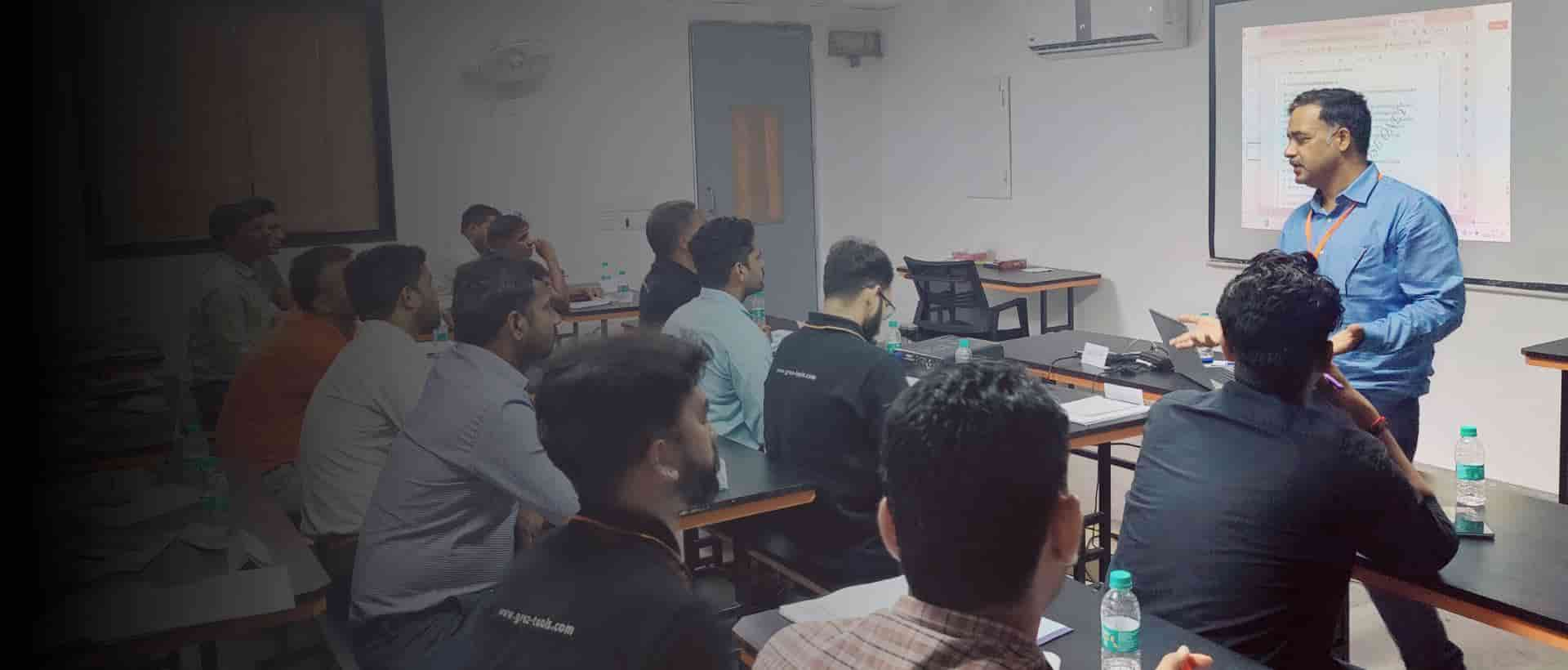
Build practical skills in management systems, internal auditing and team development.
Explore trainingUse the Sakhi Knowledge Centre to plan an audit, compare management systems or build an evidence checklist.
Explore the Knowledge CentreSee Sakhi training and workshops on management systems, supplier quality, sustainability and team development.
Explore Sakhi’s articles on consulting, auditing and training. For step-by-step guides and worked examples, visit the Knowledge Centre.


Build an internal auditor’s competence through observed work. Ask the learner to plan a sample, interview an auditee, verify objective evidence and write a finding linked to the audit criterion. A training attendance record only shows who took part.
Use the organisation’s audit objectives, previous findings, incidents and recent changes to prioritise processes. Define the scope and criteria before interviews. Pick risk-based samples that cover important activities, handovers and relevant shifts or sites. Record the reason for each sample and add follow-up samples when the evidence suggests a wider issue. ISO 19011:2026 provides guidance for managing audit programmes, conducting audits and developing auditor competence.
Write the criterion in your own words or reference the controlled requirement. Record verifiable evidence with a date, job or record identifier and scope. Explain how that evidence supports the finding. Avoid assumptions about someone’s motives. An observation about a potential improvement should be clearly distinguished from a finding against a mandatory criterion. Have another auditor review whether the finding could be reproduced from the evidence.
Define the job task and the performance that demonstrates it before assigning training. Use an exercise or observed audit to check the learner’s evidence gathering, sampling rationale, communication and reporting. Let a trained reviewer give feedback and record what the learner needs to practise. Verify later that the person can complete the task independently under representative conditions. Training records and competence decisions can coexist in the same matrix with different fields.
A procedure requires documented final review before dispatch. Of six sampled dispatch records from two shifts, two are missing that review. An effective finding identifies the procedure, the relevant records and the verified gap. It also records sample scope. The team reviews whether the absence is limited to those shifts or occurs more widely before deciding on corrective action. Follow-up compares new dispatch samples after the action.
Review a trainee's audit competence using a short exercise with a stated requirement and a small set of records. Score how the trainee defines the sample, asks for evidence, checks inconsistencies and writes the result.
Give the trainee a procedure and six fictional job records. Include one record where the procedure may not apply and one where a required review is absent. Ask which follow-up evidence they need.
Use a 0 to 2 scale for question quality, relevance of evidence and clarity of the finding. Define 2 as an independent, evidence-linked result. Record concrete examples for feedback.
After coaching, repeat with a new set of records and a second reviewer. Record which tasks the trainee can perform independently and which still need supervised practice.
| Focus | What to check | Evidence or decision |
|---|---|---|
| Plan | Why was this process and sample chosen? | Risk-based audit plan and sample rationale |
| Assess | Did the learner collect objective evidence? | Observed interview, sample record and structured feedback |
| Verify | Can the learner perform the task independently? | Follow-up audit or reviewed assignment and authorisation |
It may show successful training. Evaluate task performance, technical context and audit practice before granting independent responsibilities.
Consider expanding when contradictory evidence, repeated exceptions or a process change affects the confidence of the conclusion. Record why the scope changed.
Attendance records show participation. Demonstrated competence includes observed audit work, relevant evidence and a finding that a reviewer can trace to its criterion and sample.
Tell us what participants need to do after the programme. Sakhi can help select a topic and design practice around their roles.

 Guru Maa Ji


